Campground Packing Checklist
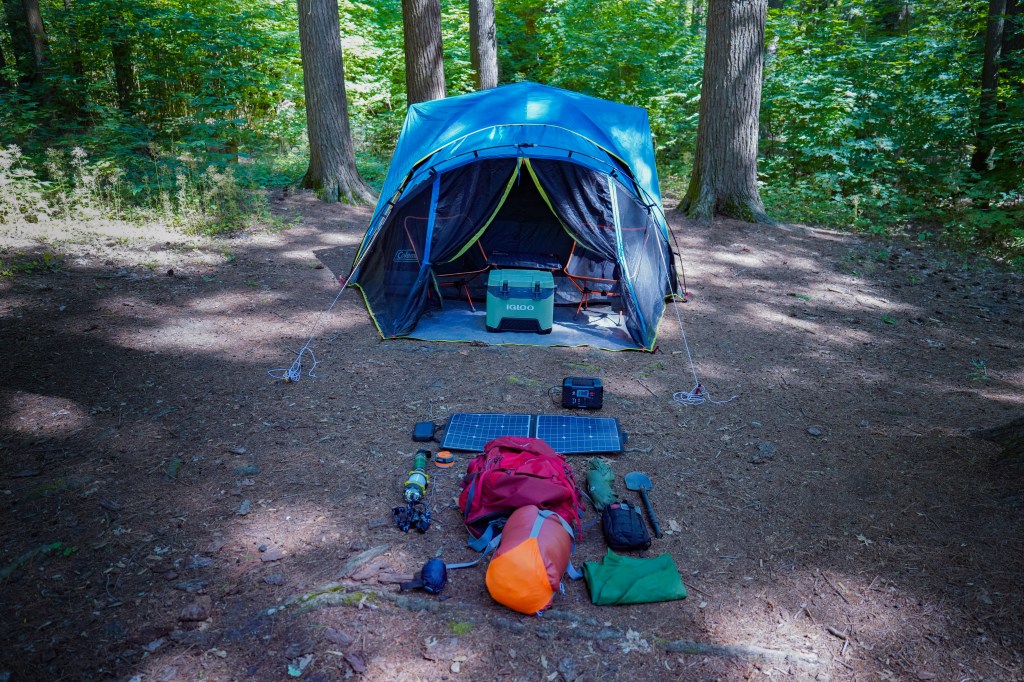
Shelter & Sleep
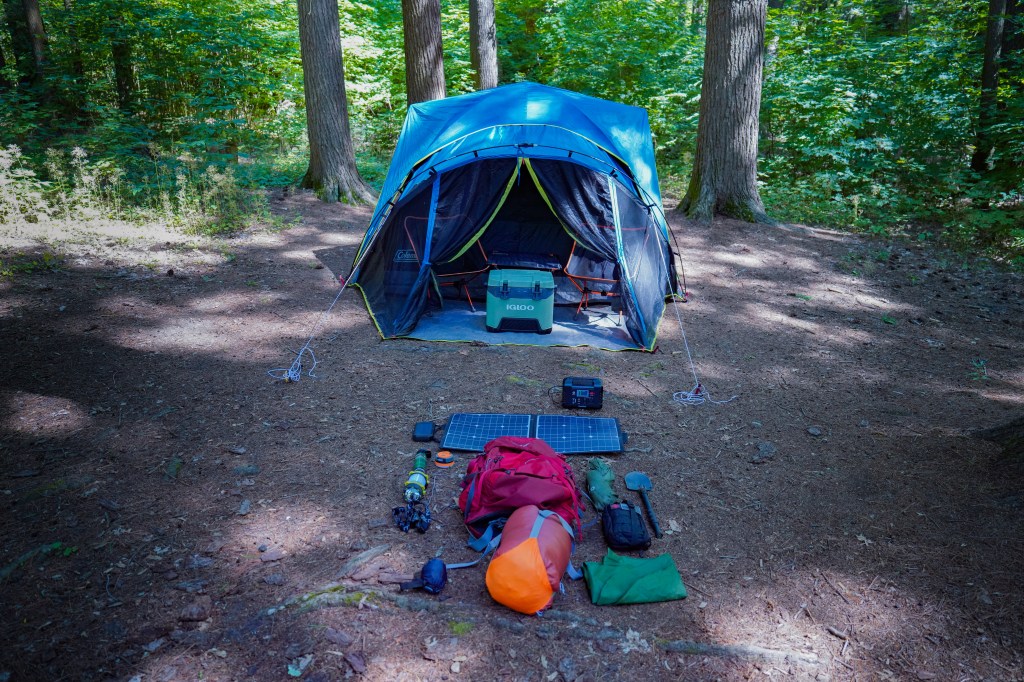
- Tent
- Sleeping bag
- Sleeping pad or air mattress
- Inflatable pillow
- Extra blankets (optional, depending on weather)
Clothing
- Weather-appropriate clothes
- Warm layers (even in summer)
- Pajamas
- Underwear and socks
- Rain jacket or poncho
- Comfortable shoes or sandals
Camp Setup
- Camp table
- Camp chairs
- Lanterns
- Headlamps or flashlights
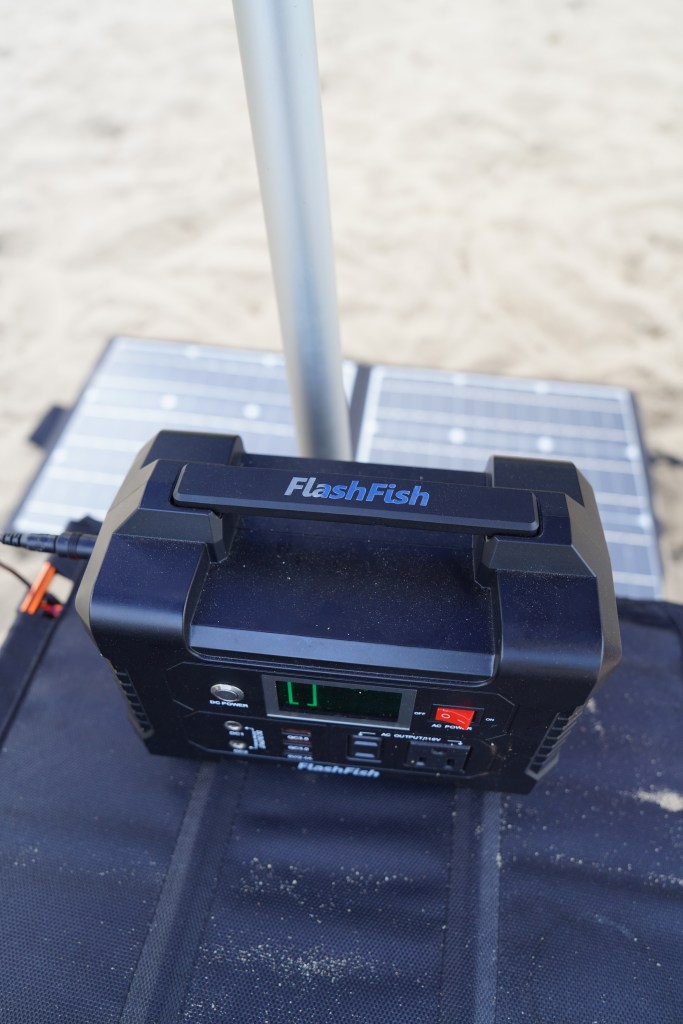
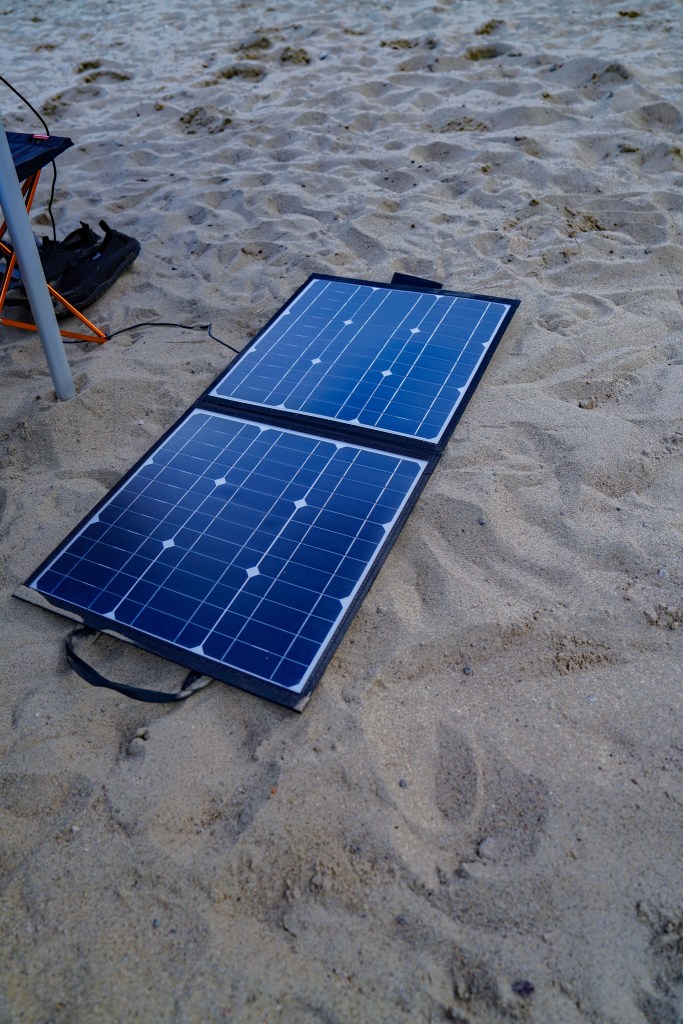
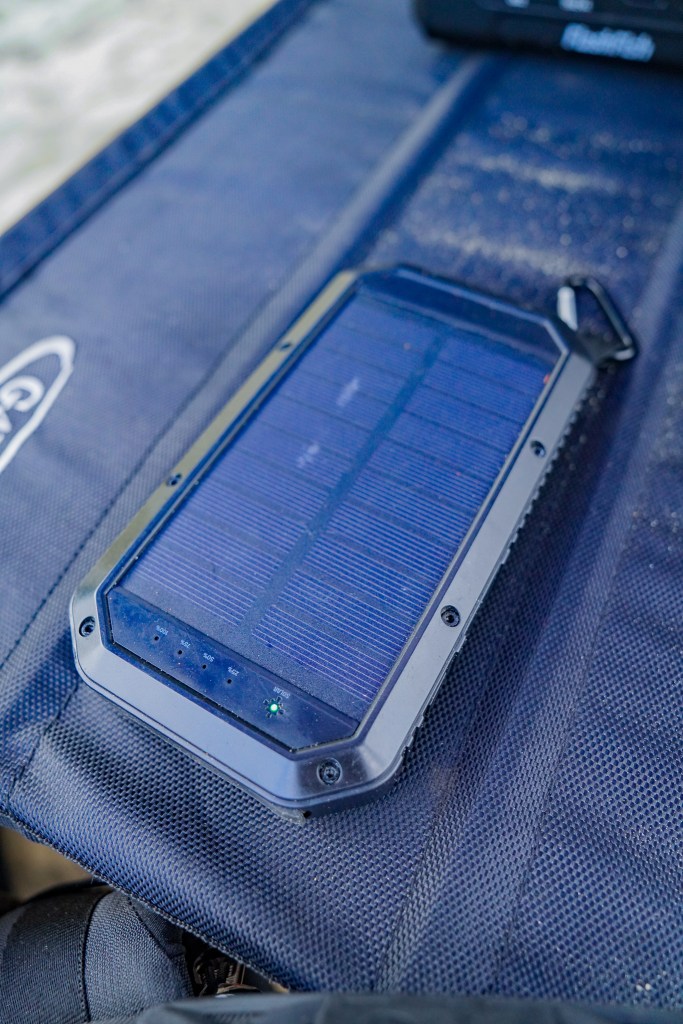
- Rechargeable power bank
- Charging cables
Food & Storage
- Cooler
- Ice
- Trash bags
- Reusable food containers
- Snacks and meals
- Water bottles
Cooking & Eating
- Camp stove or grill (if needed)
- Cooking utensils
- Plates, cups, and cutlery
- Paper towels
- Dish cloth or sponge
Personal Care & Toiletries
- Toiletries
- Towels
- Sunscreen
- Bug repellent
- Hand sanitizer
- Toothbrush and toothpaste
Safety & Essentials
- First aid kit
- Bear spray (where recommended)
- Matches or lighter
- Multi-tool or knife
- Campfire wood (if not provided on-site)
Extras for Fun
- Games or cards
- Camera
- Bluetooth speaker (used respectfully during non-quiet hours)
- Small projector or downloaded movies
Fun Facts About Camping & Campgrounds
- Most campgrounds are designed for comfort, not survival.
Many offer restrooms, running water, picnic tables, fire pits, and small camp stores — making them a great middle ground between roughing it and glamping. - Drive-in campsites are the most popular option in the U.S.
They’re ideal for first-time campers and anyone packing coolers, chairs, and extra gear. - Wildlife is more interested in your food than you.
Raccoons, squirrels, and bears are attracted by scent, not people — which is why proper food storage is essential. - Setting up your tent first is a pro move.
Weather can change quickly, and having shelter ready early can save you from setting up in rain or darkness. - Quiet hours are taken seriously at campgrounds.
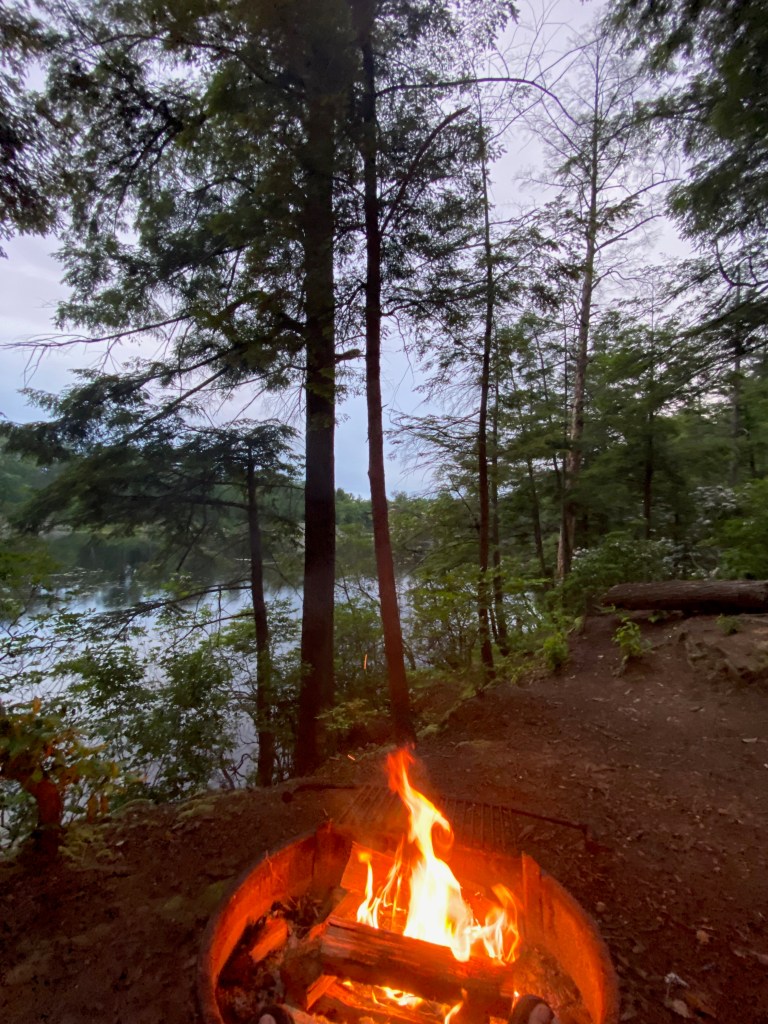
Most begin between 10–11 PM and are enforced to keep the experience peaceful for everyone. - Campfires are both functional and social.
They’re used for cooking, warmth, and gathering — and are often the highlight of the night. - Campgrounds encourage “Leave No Trace” principles.
Everything you bring in should be carried out to help protect nature and keep sites clean for future campers. - Camping improves sleep quality for many people.
Natural light cycles and fresh air often help campers fall asleep faster and wake up earlier. - You don’t have to disconnect completely.
Many campers bring power banks, lanterns, games, or even small projectors to balance comfort with outdoor time.

 randyroams.com
Leave a comment